Building Strong Thinking Skills
Chess improves kids' thinking and analytical skills, as it requires planning and problem-solving in the game.
Improves Patience and Skills
Chess teaches kids to slow down and concentrate. The game requires kids to improve their attention span as the classical games go upto hours.
Making and responsibilities
Every move made in the game has consequences and can affect your plan entirely. This teaches the kids decision-making and taking responsibility for their actions in the game.

Boosts Memory and Creativity
Chess demands kids to understand and memorise multiple openings, tactical patterns and endgame strategies and apply them in the game. This boosts their memory and creativity.

Builds resilience & sportsmanship
Games are played to win. Nevertheless, it is crucial to learn from the mistakes in the games that you have lost. This builds resilience and sportsmanship.
Improves academic performance
Studies have shown that kids who play chess show a significant improvement in studies, especially in subjects like Mathematics and Logic.

Universal & Screen-light
Chess is a universal game, and the rules are the same worldwide. It is also a smart way to take a break from constant screen time.
Problem-solving Skills
Chess forces you to think and calculate different solutions to different positions and enhances your problem-solving skills
Memory & Recall
Studies have shown that chess improves the memory of an individual, as, through the process of learning, they familiarise themselves with different tactics, openings and endgame strategies.

Patience
Chess games often last for hours and require continuous focus and concentration as every move needs to be made with careful consideration of all the possibilities of your opponent. These increase the patience and concentration of an individual.

Emotional Resilience
Chess teaches players to handle wins or losses gracefully. Everyone makes mistakes, but it's important to learn from them. This teaches them to build emotional resilience, which can help them to manage challenges and stressful situations in their life.
Logical Thinking
This is the backbone of every Chess game. Each move needs to be made for a purpose and after analysing the position carefully. Players need to understand and visualise the intention of their opponents' moves as well.
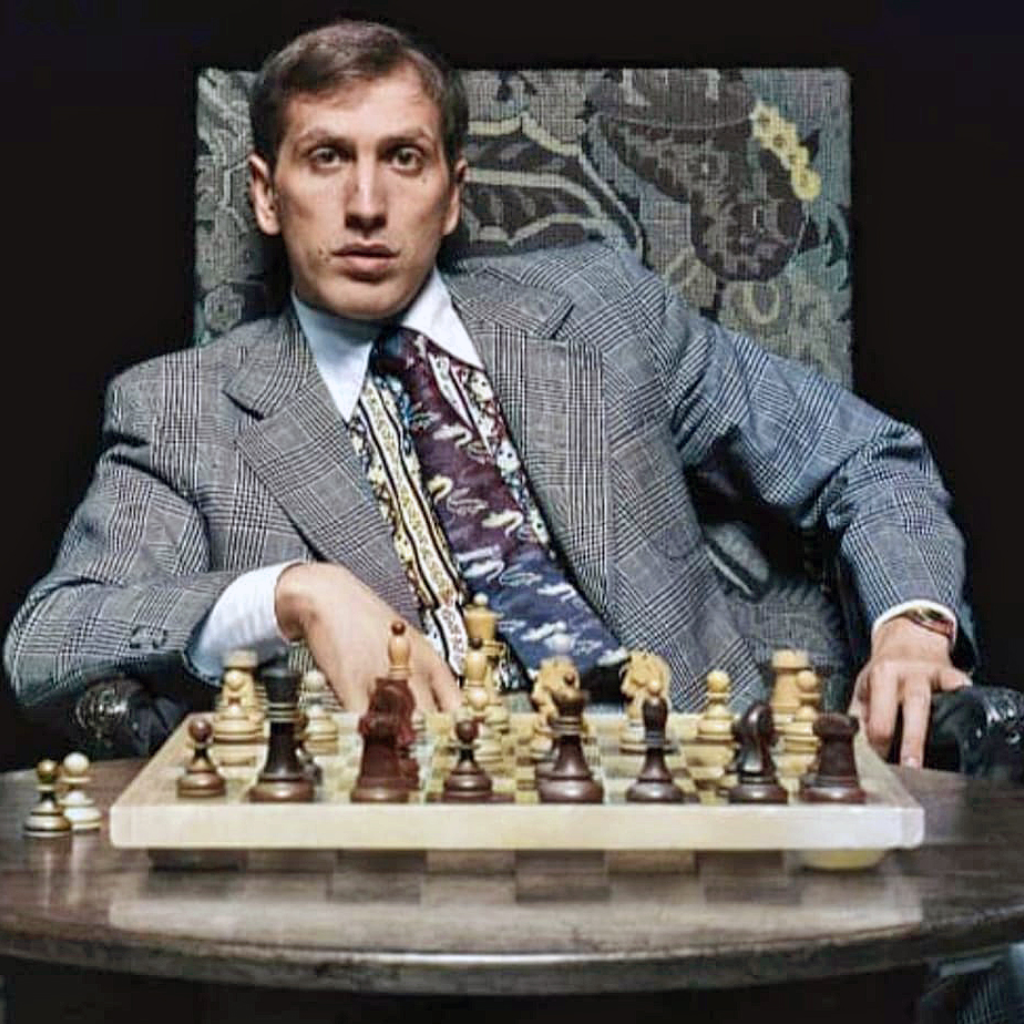
"Chess is a war over the board. The object is to crush the opponent’s mind."
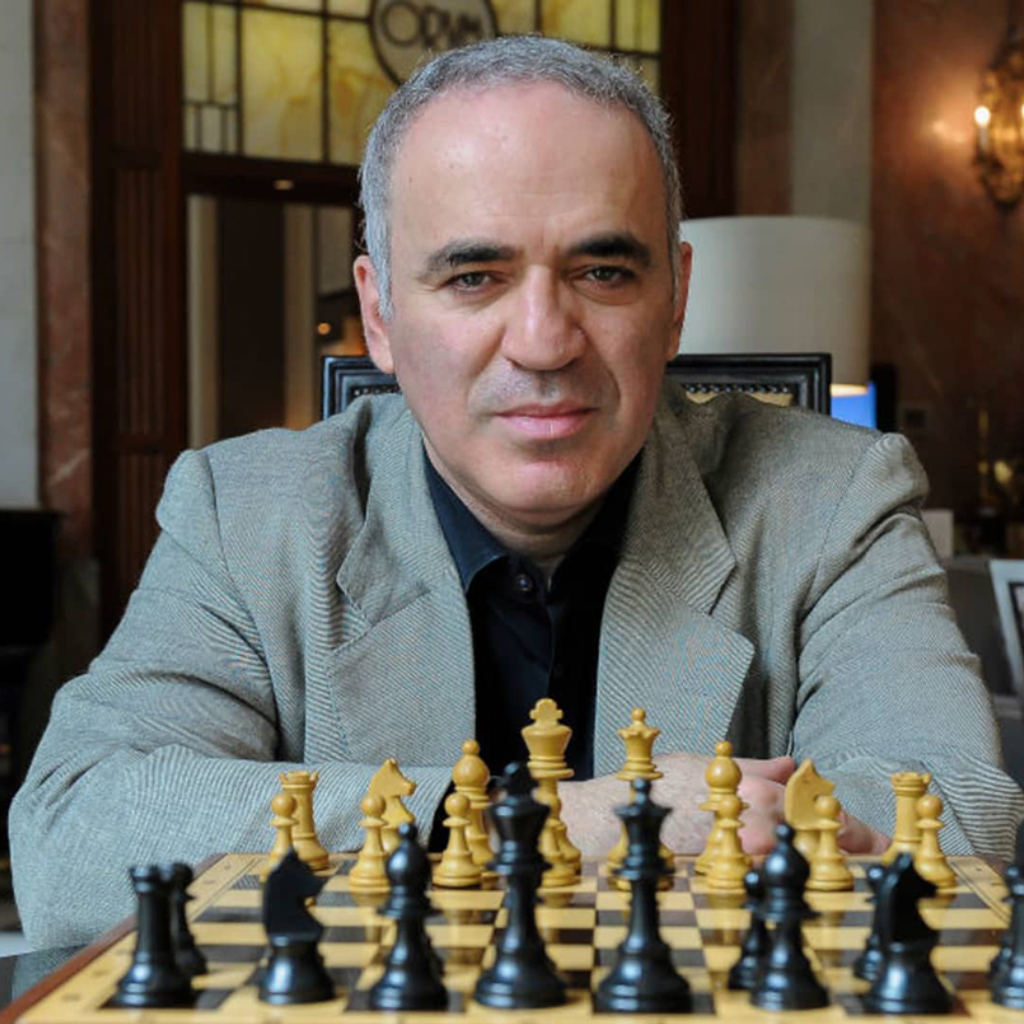
"I used to attack because it was the only thing I knew. Now I attack because I know it works best."
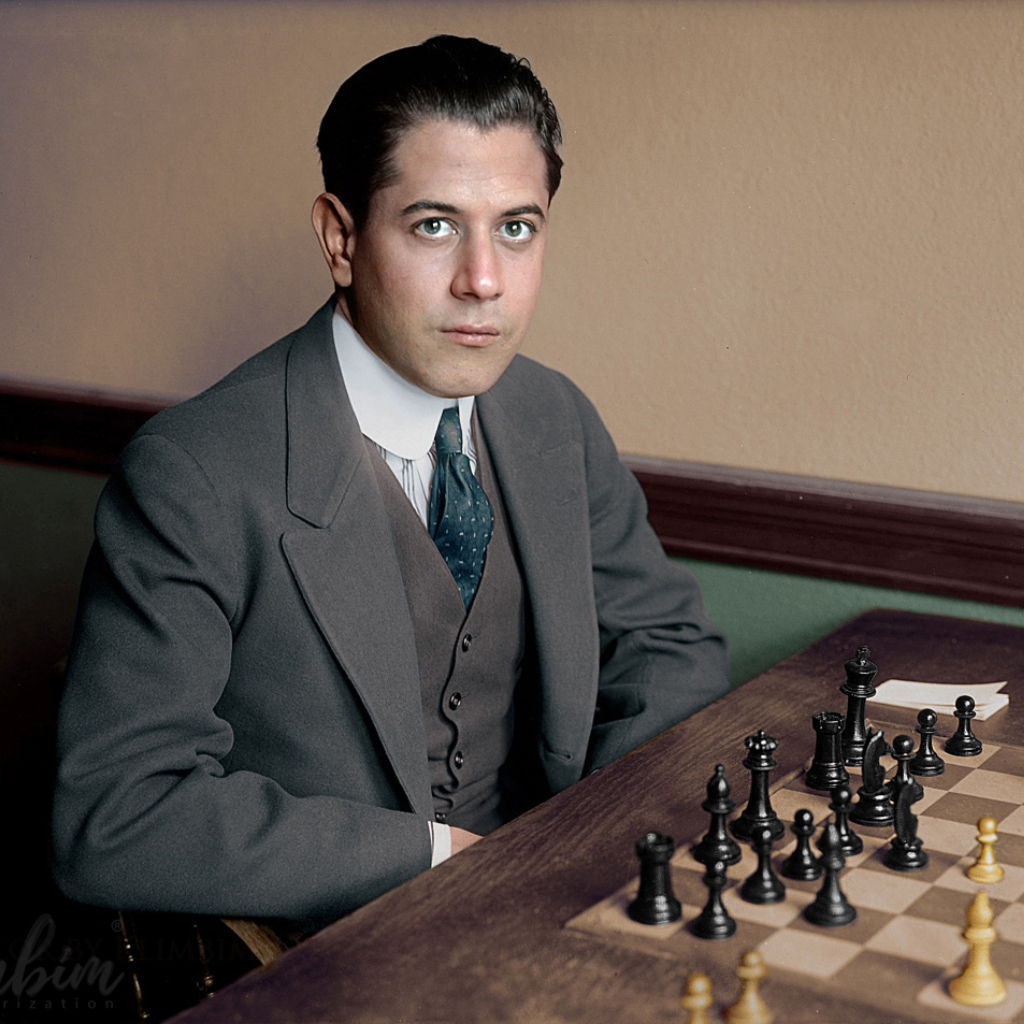
"A good player is always lucky."
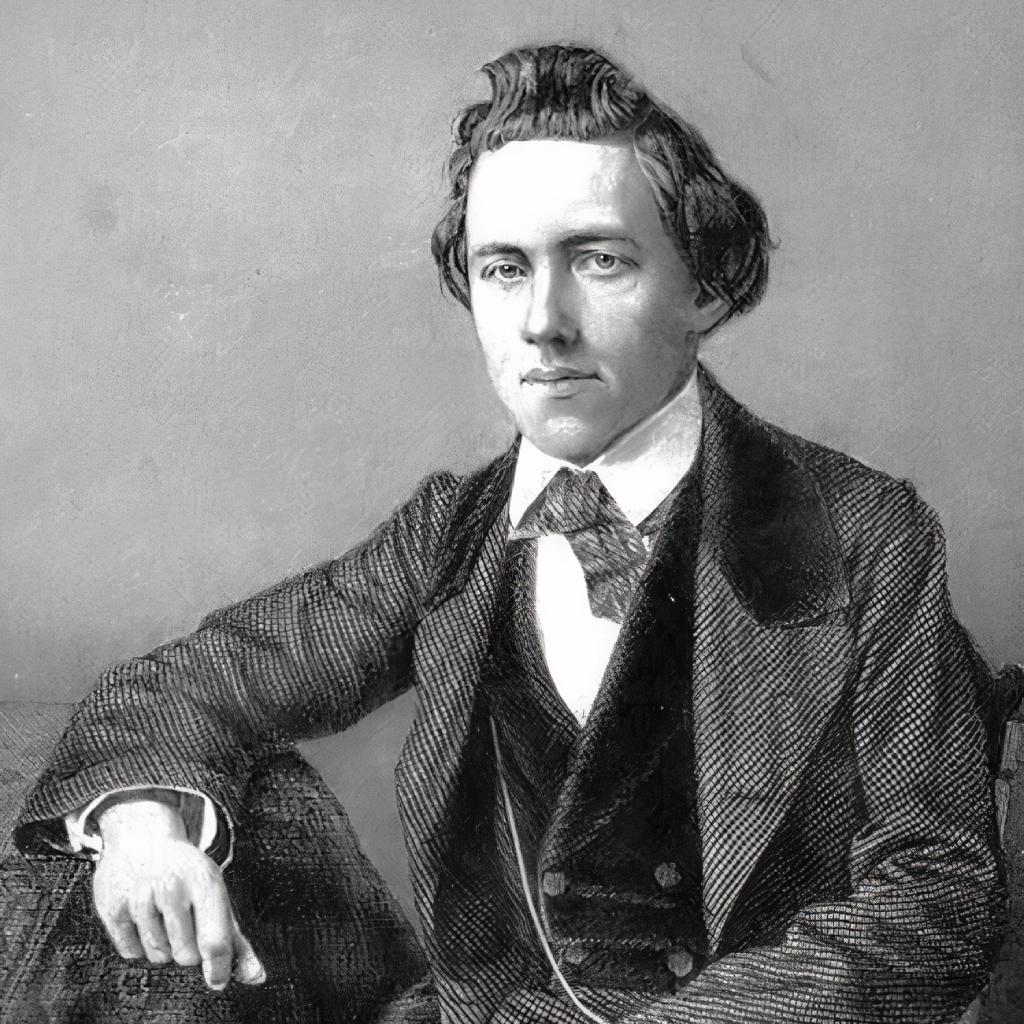
"Help your pieces so they can help you."
"Tactics is knowing what to do when there is something to do; strategy is knowing what to do when there is nothing to do."
"Every chess master was once a beginner."